
8/15/07 Vol. 4 #21

58 degrees this morning on the front porch, going to be near 100 this afternoon.  It’s a dry heat though, a desert heat.  We thought we had been clever and missed the hot week of the summer by going up to the mountains in the middle of the 100 degree days but it’s hot up there too and they don’t think they need air conditioning.  We did have a good time being off last week except we tried to do too much, as usual, and so it was over in a flash.  Back to reality and the desert of Peregrine Farm.  What we are watering looks pretty good and we picked a surprising amount of tomatoes Monday off the old planting and the new, and last, planting is just starting to turn color.  This week we are working to reclaim areas that we let slide for a bit just before and then were completely left alone during the break.  The peppers are a case in point as the crab grass in the paths, between the rows of plants, has grown into the plants.  If we don’t act now it will make picking hell for the rest of the season so we are going through and rolling the thick grass mats back and then pushing the mower down the paths to cut it back before it just flops back down into the plants.  Row by row but it is a rewarding job as we can see how much better our lives will be when is comes to picking the beautiful peppers hanging on the plants just next to our efforts.

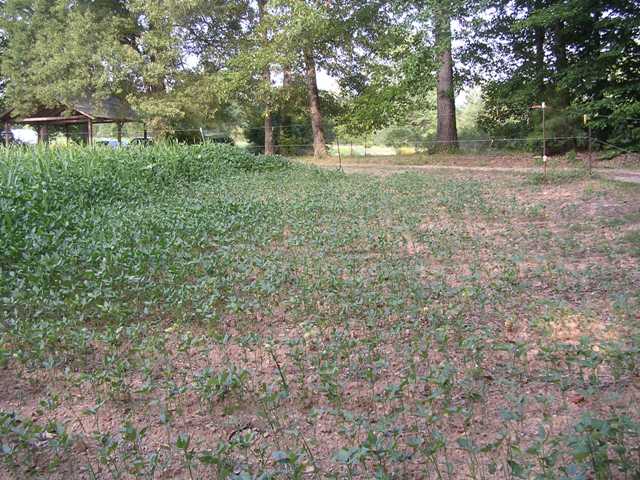
We are beginning to mow down those crops finished for the season and those that have perished in the drought without irrigation water.  The last planting of sweet corn, which is unirrigated, is going under the mower along with plantings of Zinnias and sunflowers.  This is the beginning of the clean up for the end of the year, soon I will take soil tests and begin the process of putting the planting areas to bed for the winter.  Spreading mineral amendments and seeding winter cover crops, all assuming we get some rain to make it possible to even till the soil.  The summer cover crops are ready to be mowed down too, not as robust as they usually are because of the drought they have done amazingly well in those fields away from the effects of tree roots.  Where ever they are within 50 feet of a tree, the cover crop plants are maybe eight inches high and then they jump up to two and three feet high.  It is not the direct effect of the tree roots actually being in that soil but the fact that the trees have pulled every bit of water out of the soil near them and then by capillary action sucked all the water up towards them for another 30 feet or so.
Picture of the Week
The tree root effect 50 or more feet from the tree trunks

7/2/08 Vol. 5 #16

A million dollar rain?   I’m not sure but it certainly was great to finally get something substantial, we had gone for over a month with only one tenth of an inch and were beginning to make alternative plans for the fall crops.  The 90 day forecast is for normal temperatures and rain, lets hope they are right.  These last few days have been sublime with the cool nights and clear days, almost like fall.  With that inch and a half of rain we can now start the process of getting cover crops in the ground.  When it gets as dry as it was it is impossible to “cut ground” as the old timers say.  Yesterday as I headed into town to deliver I noticed several farmers out disking their fields, turning under the residues of wheat or something else and drilling in soybeans or sudangrass.  So the same will occur here, except it will be the overwintered flowers and other spring crops just now finished.  Hopefully we will continue to get some good rains to bring up thick soil improving crops of cowpeas and sudangrass or soybeans and millet.  These crops will grow to eight feet high in eight weeks giving us thousands of pounds of organic matter to return to the soil along with over a hundred pounds of free nitrogen fixed by the bean crops to feed the next cash crops.  They will provide habitat for good bugs that will help us fight the bad bugs.  They will shade out summer weeds and give shade to the turkeys when we move them into those fields.  If the rains come.

A fairly normal week here on the farm, the staff is getting into the easy pattern of tomato picking Mondays and Thursdays, weeding a little, seeding new crops for the fall and winter, and continuing to trellis the summer crops.  The last planting of Sungold cherry tomatoes went in the ground yesterday, timed to be ready in late August and to carry us to the end of the season.  It has been interesting to watch the salmonella tainted tomato story unfold over the last few weeks and of course we are humored by that fact that they can’t seem to trace it back to where is came from or even if it was tomatoes at all.  To all of us local produce farmers it is just another supporting argument for local small scale agriculture.  If you know your farmer and where your produce comes from it you can be more assured it won’t come with bad things attached.  Now I am not saying that it can’t happen but the reality is that most small growers don’t have the volume to need produce washing lines which is where most of these health problems start.  When you dump thousands of pounds of tomatoes into a big tank and slosh them around it makes it much easier for the few tomatoes that might have had contact with something unhealthy to pass it onto the rest.  Most of us don’t wash our tomatoes at all.  Because we don’t spray anything bad on our tomato plants we are able to just wipe them with towels to clean them up and pack them straight into the boxes for market.  Nothing like a good local tomato.

Picture of the Week
A good looking field of peppers

8/27/08 Vol. 5 #23

Well that was the largest rain event we’ve had in maybe a year or more, 3.5 inches.  Just in time to help with the crops but it also helps to get the ground ready for fall planting of cover crops and next springs earliest flowers.  It has been so dry that it has been impossible to get the soil probe into the ground to take soil samples much less think about turning crop residues in.  The fall process here at the farm starts with taking soil tests of every planting area in August.  By the time we are ready to begin preparing the fields for next year, in September, the results will have come back.  We amend the fields only once every year as we are really feeding the soil microbes that in turn help release the nutrients that actually feed the crops.  We are just trying to make the soil environment ideal for all of the “livestock” that live in the soil and help us farm.

What we add to the soil are minerals that get used up in the process of growing the cash crops.  Every time we send a flower or head of lettuce home with you, you take some of our minerals with you so we have to replace them.  We add lime (calcium and magnesium) to make sure the soil is not too acid for the little critters.  We also add phosphorus (P) and potassium (K) which are major players in root, plant and fruit development.  With that all set for the coming year we then can turn under the remnants of this years crops and get the soil ready for the winter.  We will raise up beds or wide ridges so the soil will drain faster and warm up quicker in the late winter and early spring when we need to begin planting.  After that we will seed it all down with soil holding and improving cover crops of a grain and a legume.  It is hard to imagine that we need to be getting ready for next year already.

On the turkey front the two that were injured last week have been returned to general population.  One we slipped back in a few days later with the younger birds and then moved back with the older birds and they all are getting along fine.  Quee Queg (remember the tattooed native from Moby Dick), the more injured of the two stayed in the hospital for a week and now is in the same process of re-entry, first with the little guys and then the whole clan.  We moved them to a new field so there are new things to keep everyone entertained.  Did I say it was like teenagers?

Picture of the Week
some damp turkeys, Quee Queg on the far left

9/25/08 Vol. 5 #26

A day late for a number of reasons.  Anticipating this current impending storm we worked a full day yesterday getting things picked and soil turned over.  Friday was to be the last pepper harvest of the season but we moved it up to yesterday to get it all done while it was dry.  Just as we thought, there were still so many fruits left on the plants that is took all day to clean them off.  So many peppers in fact that we will be coming to Saturday market one more week than usual.  For nearly ten years now we have finished up our selling season the last Saturday of September as the peppers have waned along with everything else (including us!).  So this year we have a bonus week.

As I have mentioned before, one of the reasons we close down earlier than many other area farms it because we feel it is vitally important to help us properly get the farm put to bed for the winter.  Because our soil maintenance and fertility is based on growing lush cover crops we need to have the time and the fields empty so we can get the soil ready to plant them.  The optimum time to seed these winter soil improving crops is September and October.  If we had crops in the ground until November, or later, we would be able to maybe get some winter rye to come up but that would be about it.

So for weeks now we have been clearing the fields of trellises, irrigation and mowing down crops as they have finished up.  All that remains is the pepper field and a few rows of flowers, at least until next week.  Finally, yesterday, I spent the day on the tractor making the first pass over two acres of now empty fields cutting in the residues of the summers growth.  This first disking, followed by the rain over the next few days will allow the residues to begin to breakdown.  In a week or so I will follow with more soil preparation until in the entire farm is in raised beds and seeded to various combinations of winter grains and legumes.  We only have three weeks until we leave for the Slow Food event in Italy and there is still much to do.

Speaking of Terra Madre in Italy, not only are we going but two of our favorite fellow farms are also going.  Joann and Brian Gallagher of Castlemaine Farm (336-376-1025) and Ristin Cooks and Patrick Walsh of Castle Rock Gardens (919-636-0832)  are also going with us.  The deal with Slow Food is if you get yourself there they pay for everything else, housing, food etc.  That leaves a large plane ticket bill for these still new and small farms to cover.  To that end they are having a fundraising Chicken dinner at Castle Rock Gardens in Chatham county on Oct. 12th.  Chicken from their farms along with vegetables too for only $25.  Check with them at market for further details and tickets or call them at the above phone numbers.  Let’s help get them to Italy!

Picture of the Week
Just disked fields, a few rows of flowers and the green of the pepper field all the way down at the trees.

6/24/09 Vol. 6 #14

We are beginning to get caught up around here but the record setting blueberry crop continues on.  Into a fifth week, we have never picked for more than four weeks and that has only happened a few times.  Today is the last official pick as there are very few berries left and the birds sense it, every time I walk by there is great fluttering away of all kinds of winged thieves.  We always get behind during the blueberry picking fiesta and that combined with the rains compounded the amount of projects needed to be done.  Thankfully this week has been dry and reasonable for getting stuff done.

Two fun things going on this coming week and in the near future that you can help with, both will benefit the Carrboro Farmers’ Market.  First up is 3 CUPS, the wine, coffee and tea store on S. Elliott Rd. is donating 5% of its sales next Monday through Thursday (June 28-July 2) to the market.  It was kicked off last night with a social at the store with a number of vendors from the market and a few customers, very kind of them to host us and do this benefit.  For more information you can see it here

The second is you can go to and vote for the Carrboro Farmers’ Market as your favorite market.  We have a really good chance to win $5000.  This money would allow the market to do some really important projects that we have on our list of things to do to improve the market.  Voting continues until September 17th.  We are currently in fifth place and moving up rapidly, please vote and help us win!

The onion harvest was completed yesterday and we have never had better red onions.  They are now curing in the greenhouse and will be at market from here until Labor Day.  The last of the Big Tops was covered last Wednesday and the late planting of tomatoes went in the ground on Friday.  The change of seasons continues as most of the spring crops are mowed down now and I have begun to prepare soil for the seeding of the summer cover crops.  From here on in we get into more measured summer pace, no frenzied days trying to get things done before the next rain or spring cold front, just calm management of the summer crops.

Picture of the Week
The Spring flower block disked up ready for cover crop seed

7/15/09 Vol. 6 #17

Still reveling in yet another cool July morning, temperatures in the high 50’s and low humidity, what a treat!  We did get a bit of rain on Monday, and I raced around to finish the summer cover crop planting.  A week and a half ago (July 4th weekend) in anticipation of the best chance of rain in weeks I rushed around and seeded an acre of summer covers, as a light rain was falling.  It turned out to be all the rain we would get that day, Arghh!!  Just enough water to get some of them to come up but not all.  Mondays half an inch of rain was hopefully enough to bring the rest up, looks like another chance of rain tomorrow too.

With the drought, the varmits are moving in to take advantage of the juicy plants and fruit.  The squirrels are really out of control in the tomatoes and in some of the transplants for late summer production.  Something, squirrels we think, got up onto the benches where we had lettuce and Brussels sprouts transplants in the seed flats and ate the tops off of all the Brussels sprout plants and much of the lettuce too.  So the hunt continues with daily afternoon rounds, so far the tally is four groundhogs and five squirrels.

Everybody is beginning to ask when we will have peppers and begin roasting at market.  Well the easy answer is the roasting will begin, as usual, the end of August when we have an abundance of colored bell peppers.  The answer to when we will have a good supply of peppers at market is harder.  We have been working in the pepper field this week and the plants look amazing, maybe a good as any crop we have ever grown, but for some reason almost all of the early blossoms made no fruit.  Some times it is a result of high temperatures and resulting bad pollination but we have just not been that hot, my best guess is the heavy pounding rains a month ago actually knocked the blooms off the plants.  That being the case it will be late this month before we have many green bells and the same for anaheims and poblanos.  The good news is that with such vigorous plants we should have more, better quality, fruit later in the summer than usual.

There are a number of Peregrine Farm related dinners coming up in the next month that you might be interested in.  The first is next Tuesday, the 21st, at 18 Seaboard in Raleigh.  A tomato focused event, Jason is coming up with dishes around each of the varieties we grow.  The second is our annual Panzanella farm dinner on the 27th, it looks to be equally divided between tomato dishes and pepper dishes, it is always fun.

The last two are cooking classes at A Southern Season the first is a lunch class on the 28th with Marilyn Markel who runs the cooking school and the second is an evening class on August 6th with Ricky Moore of Glass Half Full, again focused on tomatoes.
Picture of the Week
A beautiful field of peppers, some plants shoulder high

8/12/09 Vol. 6 #20

We’re back!  Almost all of us anyway, Betsy is still in Colombia (South America, everyone looks at me and says “South Carolina?”) until tomorrow and hopefully will be rested as she will have to hit the ground running on Friday to prepare for Saturday market.  A fairly typical break for the rest of us think.  I did get in a few days of hiking and camping up in the mountains before Betsy flew away.  Since then I have been puttering around the farm doing some small projects, reading, sleeping, eating and trying to keep things watered.

This drought is getting serious now.  The forecast for the end of the week is for several days with a chance of rain above 50 percent but I am not holding out much hope.  In the last two months we have had a scant two inches of rain.  All of the rains have gone either north or south of us.  The big creek is dry and we have been pulling water out of the upper, back up, pond for some weeks now.  The last few days of near 100 degree temperatures have applied a brush stroke across the farm of brown crinkly grass and weeds, the true colors of a drought that has been masked until now by the cooler temperatures of this unusual summer.

Fortunately we do have enough water to get us through the end of this season, mostly because we only have about seven weeks left and there are only so many crops left to water.  The little bit of fall planting we do has been going in on schedule, has been watered up with irrigation, and generally looks good.  More radishes seeded yesterday and some Swiss chard too.  The biggest potential loss is our summer cover crops, seeded six weeks ago they should be waist high by now but are at best ankle high, as our main source of organic matter to improve our soils this is never a good situation.  Hey it could rain a lot this week and things will take off, lets hope!

Picture of the Week
Cowpea and Sudangrass cover crop, looks good where there is small irrigation leak

9/2/09 Vol. 6 #23

Whoopee!  We made it to September!  As you know we don’t usually, instantaneously, go right into fall when the calendar flips months but it sure feels that way this week.  Our farming friends in Texas are celebrating too as the temperature finally fell below 100 degrees after months above it, now if they can just get some rain, makes one realize that our summer has not been too bad.  The lowering angle of the sun and the darker mornings are the first signs that fall is really around the corner.
We have had shade cloth on the transplant greenhouse and some of the little sliding tunnels all summer to try and moderate the temperature a bit.  The lettuce we have had for the last few weeks is only possible with some shade cloth and consistent irrigation.  Likewise the celery and Brussels sprouts for Thanksgiving, that have been in the ground since late July are only really possible with the help of shade cloth (in my opinion anyway).  But now the amount of daylight is so much different than just a few weeks ago that, today, we are taking all of the shade off for the rest of the season.  Too much shade and the lettuce, in particular, gets wacky and starts to twist as it grows.  We have learned this one the hard way when we first tried to grow lettuce in the late summer and had an entire hoop house cork screw up and didn’t harvest a single head.
Soon we will be mowing down what cover crops we have and the remains of the other summer crops and begin the preparation of the soil for next years crops.  It is a slow process this dismantling of the summer farm but one that feels good as it goes along.  Tomatoes and trellises out.  Lisianthus and Celosia trellises out.  Irrigation lines taken up bed by bed as they are no longer needed.  The Big Tops uncovered, rolled and stored for another winter.  Soil amendments spread to help feed next seasons crops.  Finally by mid October it is all seeded to cover crops for the winter and another market season comes to a close for us.  Breath deep, you can smell fall just around the bend!

Picture of the Week
The lengthening morning shadows of September, celery and Brussels sprouts under shade