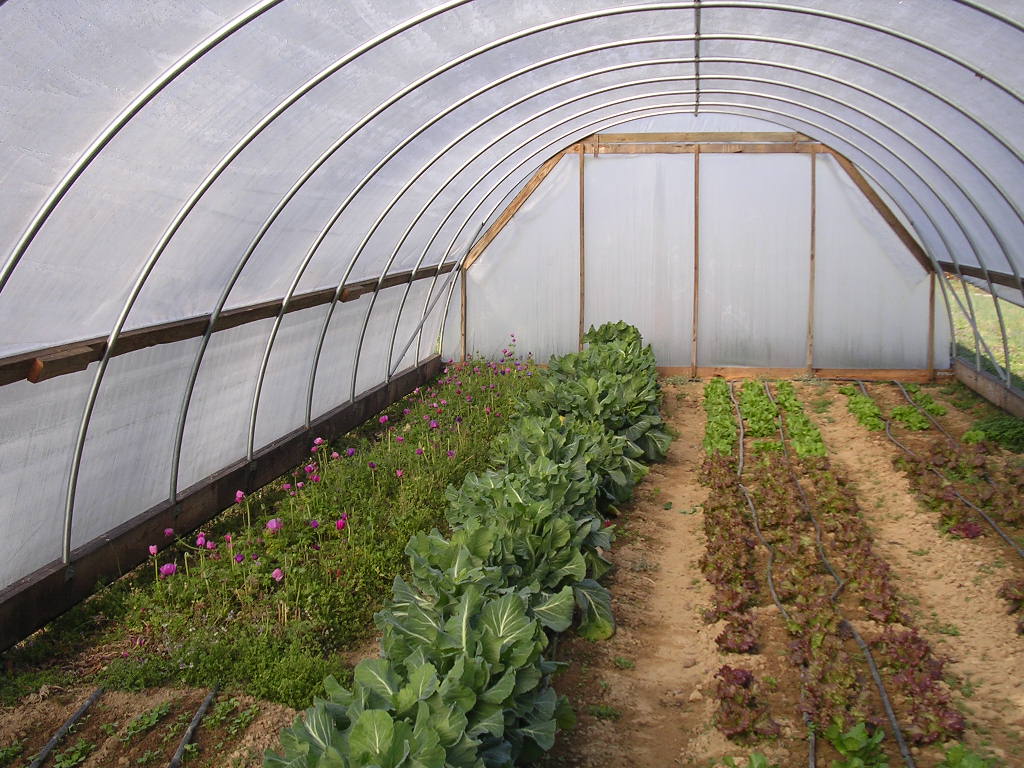
Peregrine Farm News Vol. 7 #4, 3/31/10

What’s been going on?

The last day of March and a brilliant moon last night, just on the other side of full, it hangs on the tree line in the west as the sun is beginning to clear the horizon on the east. Signs of a good day to come. We need a solid day as “the stand”, as we call it, is rising like the phoenix after collapsing in January snow storm. Yesterday we got all of the posts back in line and the supporting beams in place so that today we can raise the rafters back up. With any luck we will be putting the tin roof back on tomorrow.

The moon setting over the rising Stand

Lots of good progress this week, we did manage to slide the “little” tunnels to their 2010 positions. Prior to moving we also prepare all the beds that will be soon indoors with irrigation lines, landscape fabric and for the tomatoes the trellises that will support them. We slid on Thursday and then closed them up to help warm up the soil before planting the warm season crops that go in them. Yesterday the early cucumbers and tomatoes went in the ground, a few days late but happy none the less, hmm real tomatoes in two months!

Great rain for us on Sunday, no severe weather, just a nice long rain with just over an inch. I was beginning to twitch with the thought of having to set up irrigation this early in the season but this rain will keep that job off the list at least for another week. With the winds of yesterday it should be dry enough in the next day or two to return to cultivating the early season crops, have to get ahead of the weeds when they are small. The big batch of spring crops have been going in the ground over the last several weeks and are really beginning to grow now that we have had a good rain. Another round gets planted this week and next and then it is time to turn our sights to warm season flowers and getting ready for the main planting of tomatoes. With the temperatures reaching toward 90 later this week it will seem like it’s time for summer crops, not yet please!
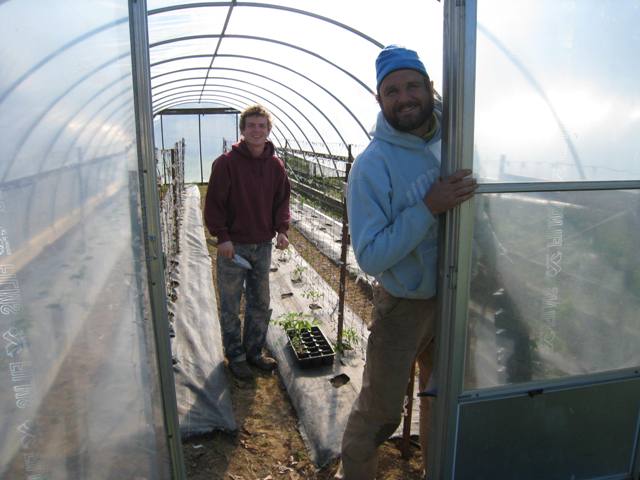
Glenn and Cov planting tomatoes

What’s going to be at the market? Continue reading

Peregrine Farm News Vol. 7 #3, 3/24/10

What’s been going on?

It appears as if we have quickly settled into an April weather pattern, 40’s and 70’s. It is always interesting to see how we come out of these cold winters, will we have a pleasant gentle climb towards summer or jump right into it and race up into the 90’s? Let’s hope it’s the former and not the later, in any case the current days are mostly sublime and conducive to over work. Missed the newsletter last week for just that reason, too many spring projects going on and it slipped right by me.

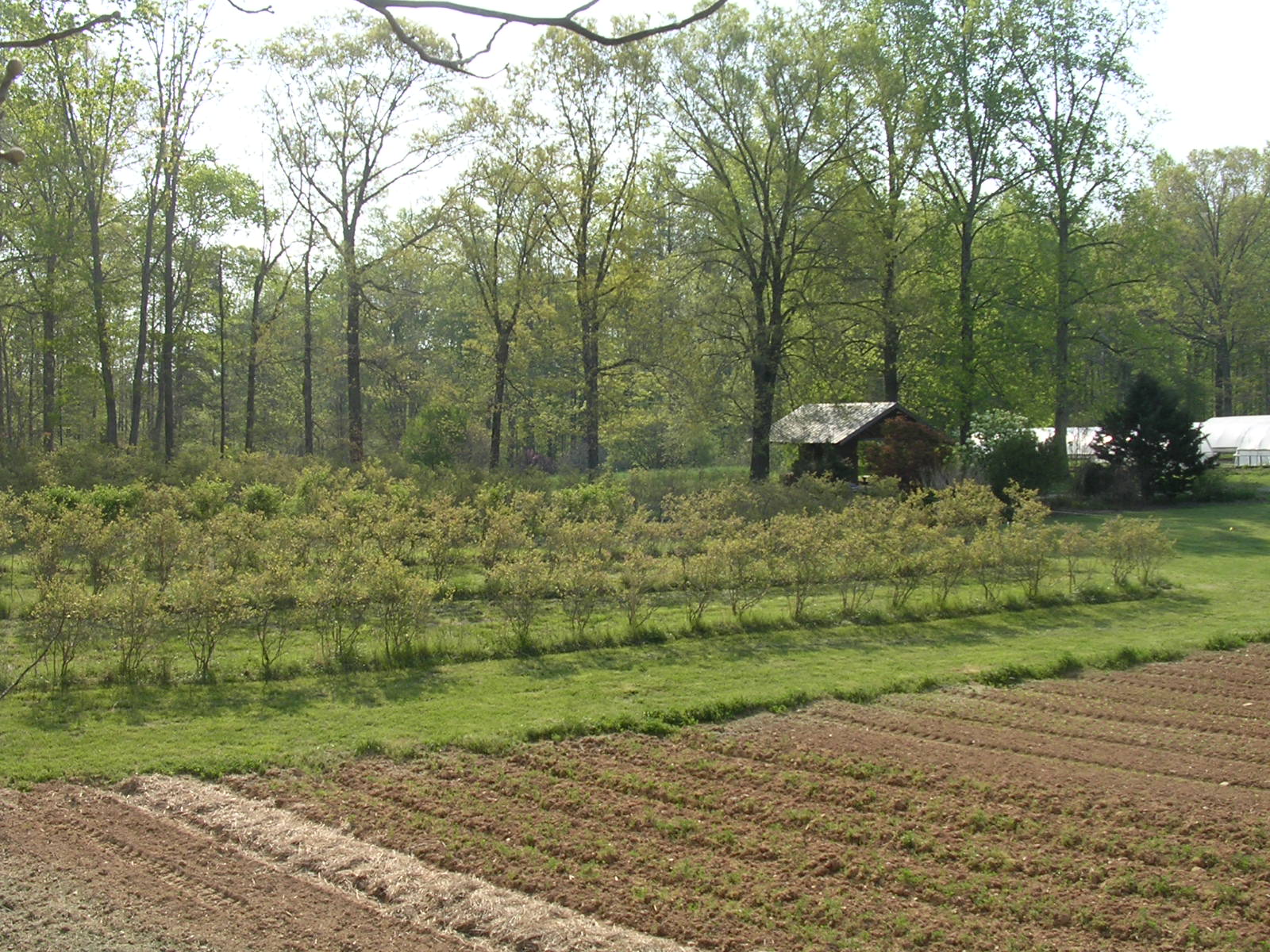
Several large projects going on this week and last. On the cooler days, after the tiny rains we’ve had, we are pushing to finish up chain saw season. We try every year to trim/fight back some section of the woods at the edges of the field. It is a constant battle and if not trimmed up high enough we lose the ability to mow close to the trees and then it is a fast down hill slide into chaos. So in the last week we have worked the about two thirds of the bottom field edge and a section up near the blueberries.

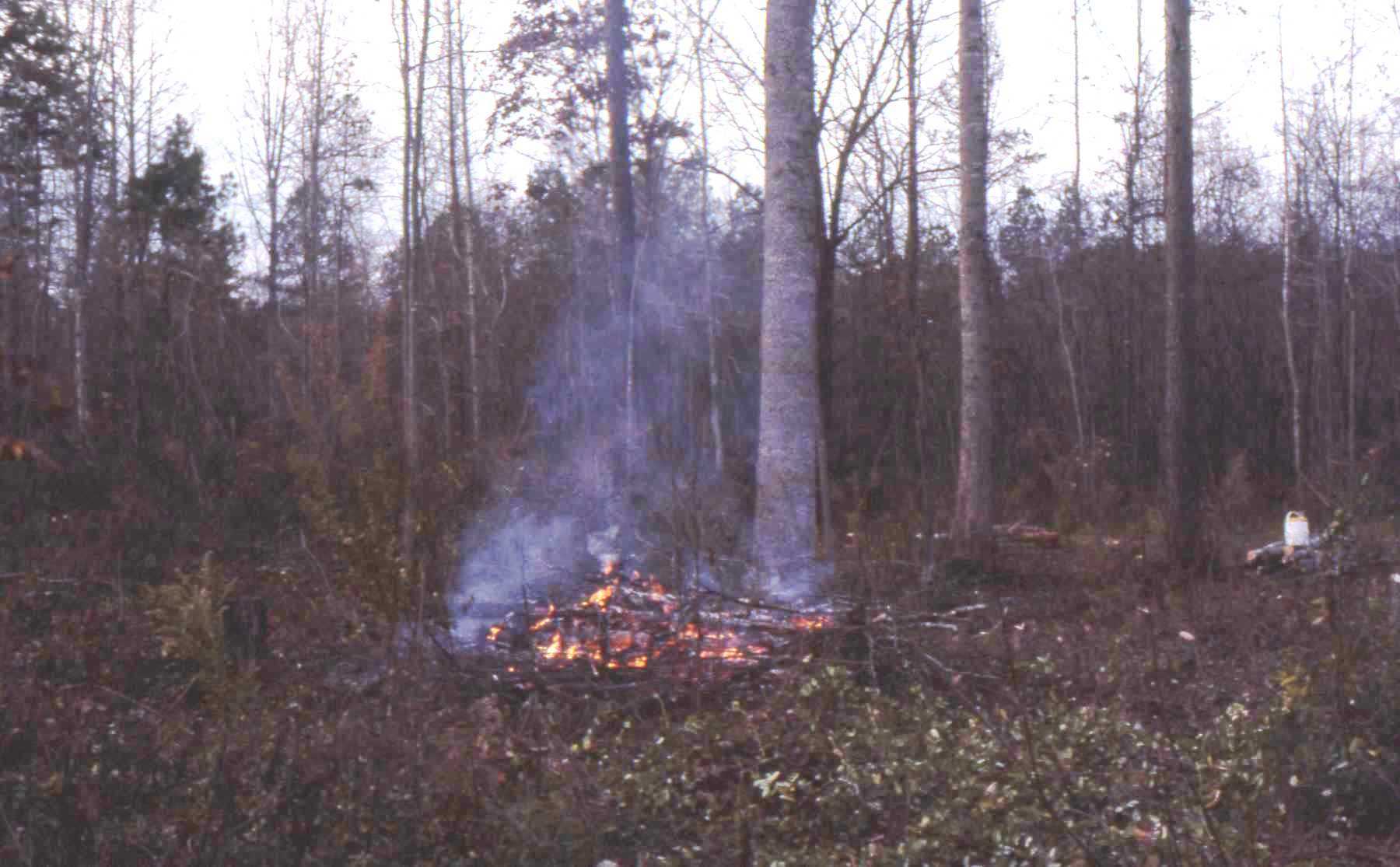
Some of these tree lines we have not done much with since we cleared those fields back in the mid 80’s, that combined with the still lingering effects of downed trees from Hurricane Fran (1996) they were a mess. Lots of little trees grown up in areas we couldn’t mow, grape vines tangling in the branches, cat claw and blackberry briar, a difficult job. I run the chain saw and the guys drag the brush to the fire. It is a dirty, scratchy job to be done only with gloves and long sleeves so that is why we save it for the cooler mornings and days.

The other project that we are rushing to get done is the sliding of the moveable tunnels. Really should have been done last week but we were rushing to try and get things planted before the rain (that really didn’t materialize). Every year we have to replace some of the wooden parts that have succumbed to rot and this year there is fair amount that has to be done before we can slide. Today I will get the remaining boards replaced while the guys get the landscape fabric and trellis for the earliest tomatoes set up. Tomorrow we will move four of the six houses to their 2010 position (the other two get moved in January over the Anemones and Ranunculus). Maybe we’ll plant tomatoes on Friday!

Picture of the Week

Cov with a big ball of grapevine headed to the fire

What’s going to be at the market? Continue reading

Peregrine Farm News Vol. 7 #2, 3/11/10

What’s been going on?

Well some of you caught us at Farmers’ Market last week, on our inaugural outing. Really more of a shakedown cruise to make sure we could find everything and remember how to do it. After six months of not going to market it takes some re-adjustments to find the right tables and the cash box and signs, etc. It was great to see everyone we talked to and the market seemed alive with souls who are more than ready for this endless winter to cease, farmers and customers both.

When I sent the last newsletter out in January, at that time starting to be amazed at the duration of the cold weather, little could we have imagined how long it would really last. Certainly now, standing at the brink of our 29th growing season, we can say that never have we experienced such a winter in North Carolina! It has not been so much about the amount of snow or threats of snow we’ve had but the string of days below fifty degrees. In years past we would be out occasionally working in thirty and forty degree temperatures but usually there are enough days in the winter when it warms up past the fifty degree mark that we would just save up the outdoor chores for those days. This winter has seen only a dozen or so days when it got above the average high temperature (which most of the time hovers just above that fifty degree mark).

What does this all mean besides we are really out of shape and can barely move after some of these first warm work days? It means that most crops are going to be running very late this spring. Some people I have talked to are saying things look three weeks behind right now. If it warms up in some reasonable fashion those delays will shrink. I can say we have been up to three weeks delayed in getting some things in the ground and I have officially moved back the seeding dates for most of the spring vegetable crops by a week over last year. Cold soil means really poor germination rates for things like spinach, beets and carrots. The transplanted crops, like lettuce, will go in on schedule and usually catch up with the arrival of warmer days but I would say that they too will be off by at least a week this spring.

Despite the weather, the staff started back to work this week, for at least a few days, because we do have a lot of maintenance work to get done. The first job was dismantling the shed roof that collapsed in the January snow. It took all day to carefully take it apart so we can, fairly easily, reconstruct it before the Farm Tour in April. Cov and Glenn are both back for this season and it is really nice to know we have skilled help when it comes to getting these kinds of jobs done as well as the inevitable catch up work we will need to do when it warms up for good.

Picture of the Week

Nothing left of the Stand but the posts and the de-tinned roof structure.

What’s going to be at the market? Continue reading

It’s Grant and Application Time

Just before tax season and serious planting season is small farmer grants and market application season.  Lots of trees are felled to be able to print all the pages required for farmers to fill out.  While most people have heard of the farm subsidies programs for large conventional commodity crops farmers, few know that there are an increasing number of small grants programs intended to help small and medium-sized, sustainable and organic farmers.

The subsidy program payments are intended to underpin the large farms with a stable base price so that they are not entirely subject to the ravages of a world market they have no control over.  These grants programs for small or non-commodity crops farmers are intended to help them with trying or developing new crops or techniques to produce crops more sustainably. While small amounts of money, usually up to $10,000,  some of the best new ideas in alternative agriculture have been nurtured by these programs.

We have only ever applied for and received one tiny grant.  Way back in the early 1990’s we got a small amount of money to continue work we had been doing on raspberry variety trials and new ways to prune and manage them.  After 21 varieties and some real break throughs in improved trellising techniques what we really learned was that raspberries are not suited for production in the piedmont of North Carolina.  Sometimes research leads to an answer you don’t want, but at least it is some kind of answer.

Our only really good harvest of raspberries, on an innovative swing trellis

Since 1994 we have been participants, co-operators and collaborators on others projects.  But mostly we have been reviewers of many, many grant applications to various competitive grants programs.  We have literally read thousands  of applications!  These programs all operate in similar ways with review panels, comprised of people knowledgeable in various aspects of agriculture.  The difference is they are funded from all kinds of sources; Federal funds, state funds, non-profit groups.

Our specialty is a category usually called “Farmer Grants”, because, well, we are farmers.  We think that peer review is the best and fairest way to decide what ideas have merit or are even possible.  The granddaddy of these is the SARE programs Producer Grants .  Alex helped develop the Southern Region’s call for proposals and reviewed them for seven years.  Using that experience he has worked with the Rural Advancement Foundation International-USA to build their Tobacco Communities Reinvestment Fund grants program.  Betsy founded the Association of Specialty Cut Flower Growers Research Foundation which gives out small grants for research into various aspects of cut flower production.

One of the reasons we still do these reviews is to continue to build the knowledge base needed to move agriculture forward.  Another is we get to see what the latest and most innovative ideas are in agriculture and sometimes it gives us ideas of new things that will improve our farming system.

Sometimes it’s is frustrating because the ideas are nothing new, or poorly presented.  Sometimes they are asking for money for equipment or projects that we, as good business people, just did out of our own pockets because we knew it was the direction we had to go.  We believe in funding good research or demonstration projects that will benefit the greater farming community, not just one farmers operation.  Many times we just have to bite our lips.

What ever the situation we spend many hours reading and scoring proposals every January and February.  This is followed by more hours with the whole review committee discussing the highest rated applications to narrow it down to the ones that will eventually get funded.  In the end it is a worthwhile process for all.

This years stacks of grants on the office floor

Snow Days

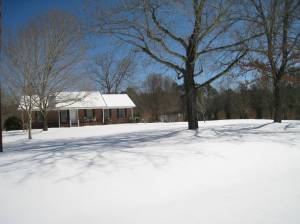
The biggest snow since 2004.  Hard to measure accurately as it came in various forms.  When we got up at 4:00 a.m. on Saturday morning there was around 4 inches of a nice powder, about then is when it became more sleet like and denser.  Maybe another inch of this stuff fell but it weighted down the lighter snow underneath.  What we ended up with was 5-6 inches of heavy crusty snow.

We were up that early to go out and sweep the snow off of the unheated tunnels so they wouldn’t collapse.  It is one of the drawbacks of having structures to grow crops in the off-season, they are vulnerable to big weather.

Fortunately the Big Tops are uncovered for the winter so we don’t have to worry about them but the six sliding tunnels we do have to watch.  Since we built our first tunnel in 1997, only three other storms have forced us to go out in the middle of the night to clean them off.  The worst, of course, was the record 20+ inch snow of 2000, when we stayed up all night, going out every 2 hours to sweep. By the end of the night we were almost hallucinating from exhaustion.

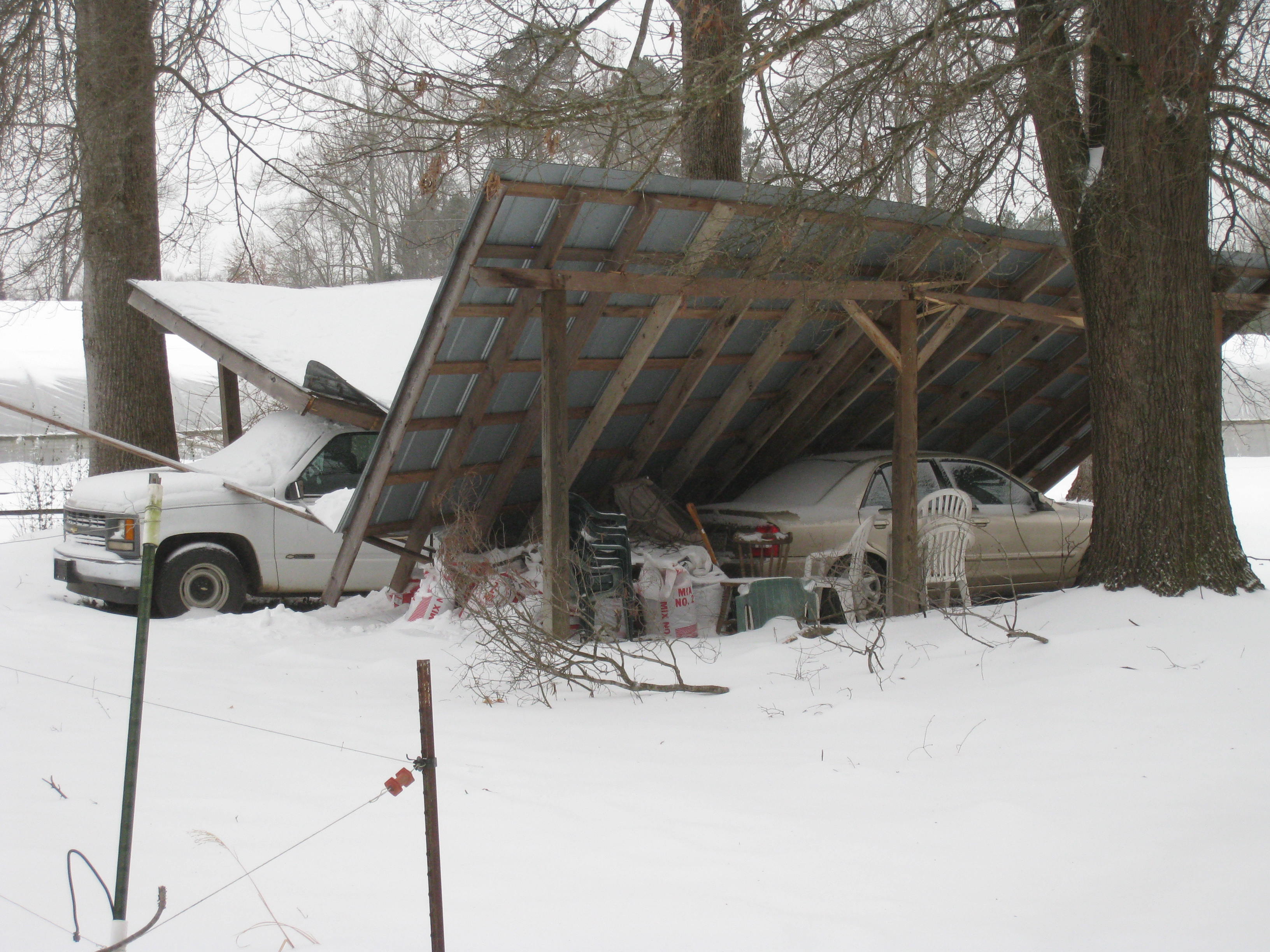
Usually 6 inches of snow doesn’t make us nervous but with the potential weight of this stuff we had to be cautious, good thing we were. We saved the tunnels with one good cleaning but our old pick-your-own stand collapsed under the load, onto the big pickup and the car.  Looks worse than it is, just a few dents in the vehicles but we will have to rebuild the roof before the Farm Tour.  I have taken some ribbing about the quality of my construction on this shelter but it has weathered almost 30 years of storms including Fran’s 80+ mph winds and two 20 inch snow falls.  Just wish we hadn’t parked the vehicles under it this time!

So it has been four days now of being snow bound and this is what we have designed our home and farm for.  We just make sure there is plenty of firewood and food and then just enjoy it from the comfort of the house.  Once the tunnels are safe we have no other worry’s, even if the power goes out.  We do wander out and around the place just to view and usually I dust the cross-country skis off and tour the neighborhood, but not this storm.

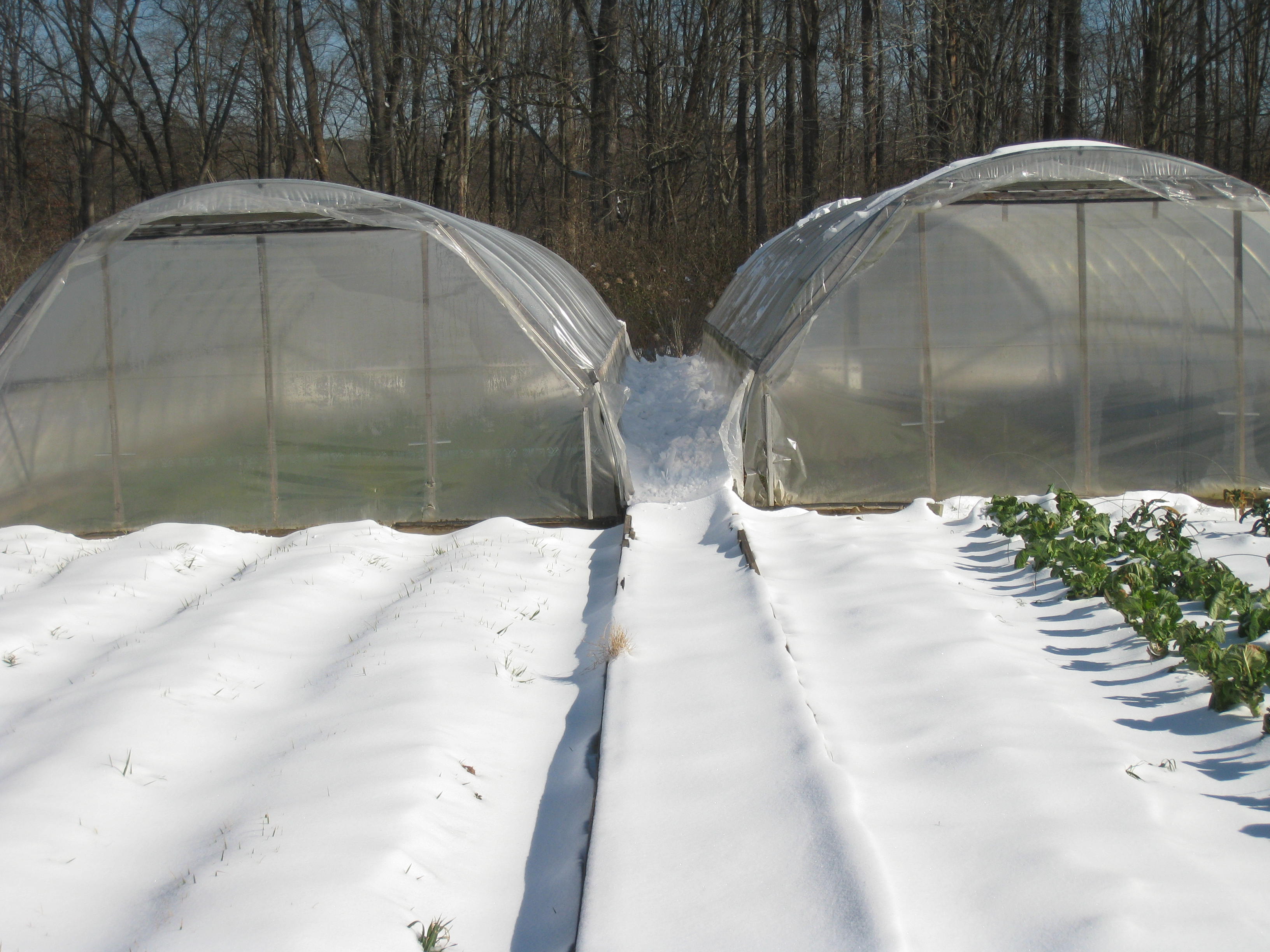
Look how deep the snow is between the tunnels from cleaning them off

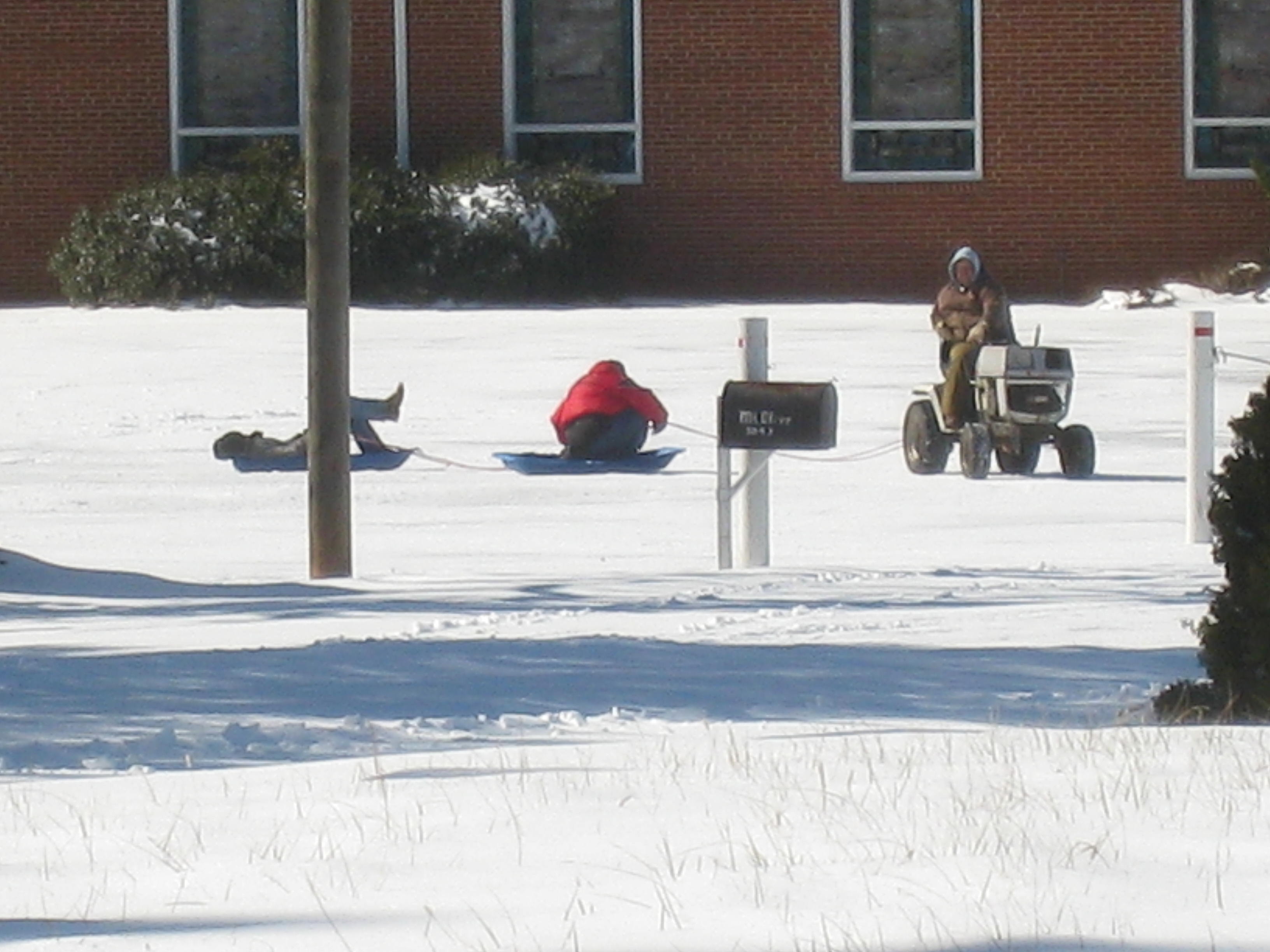
Each day I have walked the 3 miles round trip up to get the newspaper, it is the closest we can get the N&O delivered.  The road is still a sheet of ice and few cars have been up and down it.   There have been plenty of folks out pulling sliding devices including this pure country version with a riding lawn mower pulling two plastic sleds.  

I also had to chuckle to myself as I walked by this house.  Two weeks ago they were out mowing the lawn!  Not that there was anything to mow but maybe it was wishful thinking.

This kind of event doesn’t happen very often here.  This is only the eighth time since we have lived here on the farm that we have had this much snow or more, so we look forward to these snow days.  As long as the tunnels are OK.

Groundhog Day

Of all the holidays, real or not, observed or not, given-a-day-off-with-pay or not; there are only two that we view as agricultural based celebrations.  Thanksgiving of course is the grand, end of the harvest season celebration.  Hopefully we have had a good growing season and the larder is full of food to carry us through the winter.  The animals are fat with summer and fall feeding either on pastures or in the woods and are ready for winter too.

Groundhog Day is the celebration of the awakening of spring.  No it’s not true spring but it is halfway through winter.  Originating among many cultures around the world, they all started getting antsy halfway through the long cold dark period and began to look for signs of when it would end.  They looked for natural signs that the earth was warming up and hibernating animals were chosen as the best predictors.  Depending where they were it was bears or badgers, in the New World it was groundhogs.

For us it does coincide with when we begin to plant the first crops out into the field.  In most winters we put out the first lettuces, fava beans and onions the first weeks of February.  Soon to follow are peas, radishes and turnips but it is not until early and mid March until it is really warm enough for serious planting.  Groundhog Day does mark the tentative beginning of spring/end of winter but you better hedge your bets.

The prognosticators are mixed in their forecasts this day.  Punxsutawney Phil says six more weeks of winter.  Sir Walter Wally (I’m sorry I’d be embarrassed to come out and look for my shadow too with that name) says it’s an early spring.  Dunkirk Dave from Dunkirk, NY did see his shadow but the forecast for six more weeks of winter was invalidated due to artificial lighting.

The National Weather Service gives both the 30 day and the 90 day forecast as below normal temperatures and above normal precipitation.  This says six more weeks of winter to me.  They also say the groundhogs are only right 39% of the time.

We don’t even begin to see groundhogs around here until April or later so as forecasters of the weather for this farm they aren’t very useful.  Looking out the window at the light rain coming down on top of the 3 inches of snow and ice left from the weekend it looks like spring is still some ways off.

So my recommendation this Groundhog Day is to celebrate making it most of the way through this cold winter with the knowledge that spring is truly on its way.  Because we have an ongoing battle with non-weather predicting groundhogs we usually mark the day in North Carolina fashion with some sort of smoked pork dish!

Chain Saw Season

Among the tools that most people equate with farming like tractors and plows and hoes, none is probably as universal as a chainsaw.  We owned a chainsaw before we owned land and a tractor because we knew it would be essential.  Most farmers have one because inevitably trees fall down; on fence lines, across roadways, into fields.  Many also heat something with wood like their house or greenhouse.

We have used ours for all those reasons but we have also personally cleared more than 3 acres of land here on the farm.  When we bought this place we knew we needed more cleared land and so the cheapest way to do it was to cut the trees down ourselves.  We have spent months behind hot chain saws, to the point where we had his and hers chain saws.  A big one for Alex to drop and cut up the big trees and a small one for Betsy to drop the small trees and help limb up the big ones.

From 1981-1986 we almost always had a clearing project underway, first the blueberry field up on the hill and then the whole bottom field along the creek.   Our process was to first have the pulp wood cutters come in and take the sweet gums, smaller poplars, and other junk wood.  Some years this would actually result in money from the sales of the wood, usually not but it got the trees out of the way.  We would then take out the large trees for either firewood or lumber.  This would result in lots of brush that needed to be burned.  During some winters it looked like the Dark Ages around here with fires burning constantly. Finally we would have nothing but stumps left that required a bulldozer to remove.

The bottom field waiting for the bulldozer

My brother Jon, who helped clear the bottom field, said the first chapter in the book will be titled “Buy Cleared Land!”

The bottom field just months after the bulldozer

No matter what the reason we have a rule around here that chain saws will not be used when the leaves are on the trees (storm damage aside), hence chain saw season.  Chain saw work is physically hard, loud, and dirty.  If combined with warm weather it is debilitating and dangerous

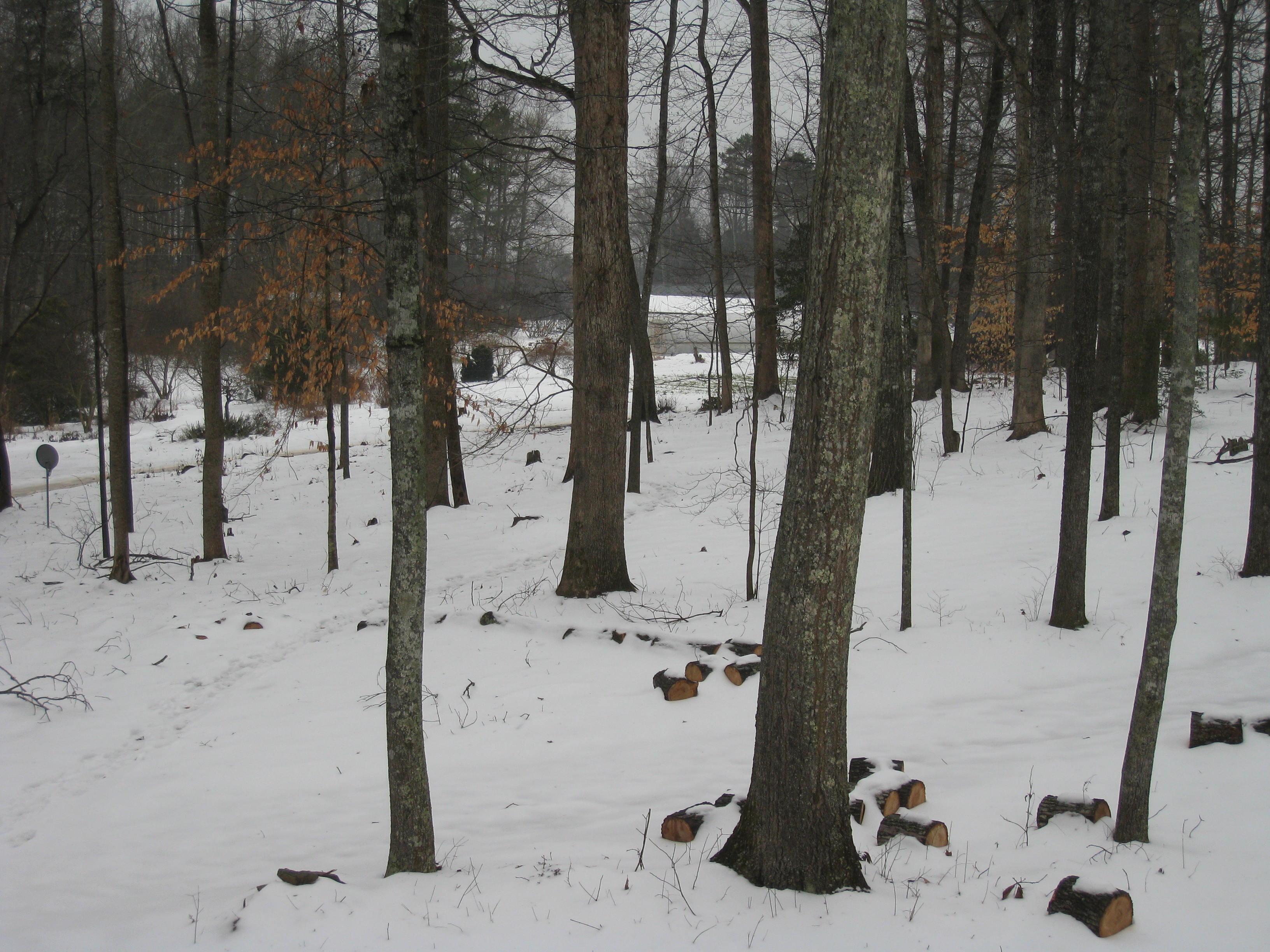
Fortunately these days our needs are reduced to keeping the edges of the fields trimmed back and for firewood to heat the house.  We try and cut firewood the winter before so it has an entire year to dry.  So this past week we began cutting for next year.  It always seems that we start with the hardest trees.  This year it was a large dead oak leaning towards the house, well and heat pump.  Betsy lobbied for hiring someone to take this one down as we have managed to drop trees on things by mistake but I was sure we could do it.  After some careful rigging and the usual nervous last cuts, it fell beautifully in the correct direction.  Only a few months left in chain saw season, thankfully.

This tree leaned directly on a line from the stump, over the little well house, the heat pump and on to the house!

1/25/10 Vol. 7 #1

What’s been going on?

A new year, a new decade and a mid winter newsletter. Betsy and I hope everyone has passed the long cold period and dark days comfortably. Quite an amazing cold snap, certainly not the coldest temperatures we have ever seen but we can’t remember so many days at or below freezing here on the farm. We do remember the last time it did happen back in 1977. We were in college in Utah and read, with amazement, as the reports came in that it was so cold in the East, that the Ohio river was frozen so hard it popped the coal barges out of the water and power plants were running out of coal! As folks who heat with wood, we burned an amazing amount of wood this January too.

The cold and wet weather that began in December has driven us into the house for most of the last two months but we have been productive while clanking away at the computer. All the seeds have been ordered and Betsy is beginning to fill up the greenhouse with transplants. Having taken most of the winter off from teaching/speaking engagements has given me time to finally work on and get http://www.peregrinefarm.net up and running. A combination of website and blog you can now find information about the farm all in one place. I will continue to send out the weekly newsletter during our market season and it will also now be on the website as well. The blog portion of the site will also allow us to post other items as they occur to us, it will allow people to comment on posts and it has archives of past newsletters too.

Please go to the site and check it out, there are many links to our favorite groups, places that buy our produce and to pieces about the farm on the web. We will be adding more information pages as time goes along. If you would like to subscribe to the website and blog you can do that too, look for the subscription box on the lower left of the website. If you do subscribe and would prefer to get the weekly market newsletter that way instead, just let me know and I can take you off this email list so you don’t get double newsletters. Who would have thought we could be drug into the 21st century!

We haven’t spent all of our time by the fire or in front of the computer. We did manage to get the house painted, a well house built over the well at the greenhouse and the firewood cutting season has begun. We had a great turn out again for the Triangle Slow Food New Years day meal and gathering. 200 folks enjoyed a relaxing time and great southern traditional New Years food including collard greens from us. Betsy and I also had another fun weekend at the Southern Foodways Alliance weekend for the Fellowship of Southern Farmers, Artisans and Chefs several weeks ago in Tennessee. Now that it might stay warm for a few days in a row we are beginning to plant a few things in the sliding tunnels and generally getting mentally ready for spring. We will see what Punxsutawney Phil and the rest of the groundhogs say next week.

Picture of the Week


It’s not all hard at work! Seed catalogs on the left, cats holding Alex down, and a glass of wine on the right.

Hope to see you all at the market soon!

Alex and Betsy

Welcome to the News of the Farm

Just to help you get the most out of these posts, here are a few tips.

All posts have been categorized by year, or crop or some other way.  If you want to look at all the posts that talk about tomatoes, for example, you can either click on that category in the right hand column or on the word tomatoes at the bottom of the post.

The posts all have some additional tags on them too, like “storms” for example.  You can also find those tags at the bottom of all posts and can click on them, you will be taken to a page of posts that include that topic.

All the pictures are clickable and will open a larger version of that picture, if there is one.

And of  course any of the words highlighted in orange are links to other information that will open in another page.

Have fun!

3/19/04 Vol. 1 #1

Happy Spring to all!

Betsy and I hope that the winter has been good to you all and that you have been enjoying the first vestiges of Spring.  Tomorrow (Saturday) is the first Farmers’ Market of the year and the first day of Spring.  To mark that occasion we are also launching our e-newsletter.  We hope to send out one each week during the season to let you all know what is going on here at the farm, what crops are coming along, and other farm related items that we think that you maybe interested in.  They will be brief and not take up too much of your time.  We get so many questions from folks about what’s going on out here that we felt that this would be a good way to keep people up to date.  If you wish to not receive this newsletter just reply so to this message or just let us know at market.  On the other hand if you know folks who you think would be interested in news of the farm then please feel free to forward this to them and encourage them to e-mail us to be added to the list.

What’s been going on?

For us it has been a fast and furious winter with lots of projects being started and completed, entirely too many meetings and lots of fun and educational travel.  Betsy has taken on the mantle of the most traveled this off season with trips to Vancouver (she let me tag along for this one), Florida, Missouri/Oklahoma, Virginia, and most recently Ecuador!  All flower related and she saw and learned a lot of great things.  We have always felt that it is very important for our business to continue our education and research into new things, in fact we still spend up to 5% of our gross income on this continuing education and we hope that you all reap the benefits of it!

Things here on the farm are lurching into spring.  We have been planting indoors in our unheated high tunnels since late last year and outdoors since the beginning of February.  Generally the crops look good and we have been able to stay right on schedule until this last week when the rains have made it too wet to work the soil.  I imagine that we will be right back on track by the end of this coming week.  As a bit of insight into what it takes for us to schedule and produce the almost 200 varieties of vegetables and flowers that we grow we plan the entire season usually in early December and then order seeds.  It turns out that we are planting something into the field 47 out of the 52 weeks of the year!
Picture of  the Week
Sliding tunnel with anemones, collards and lettuce